September 25, 2026
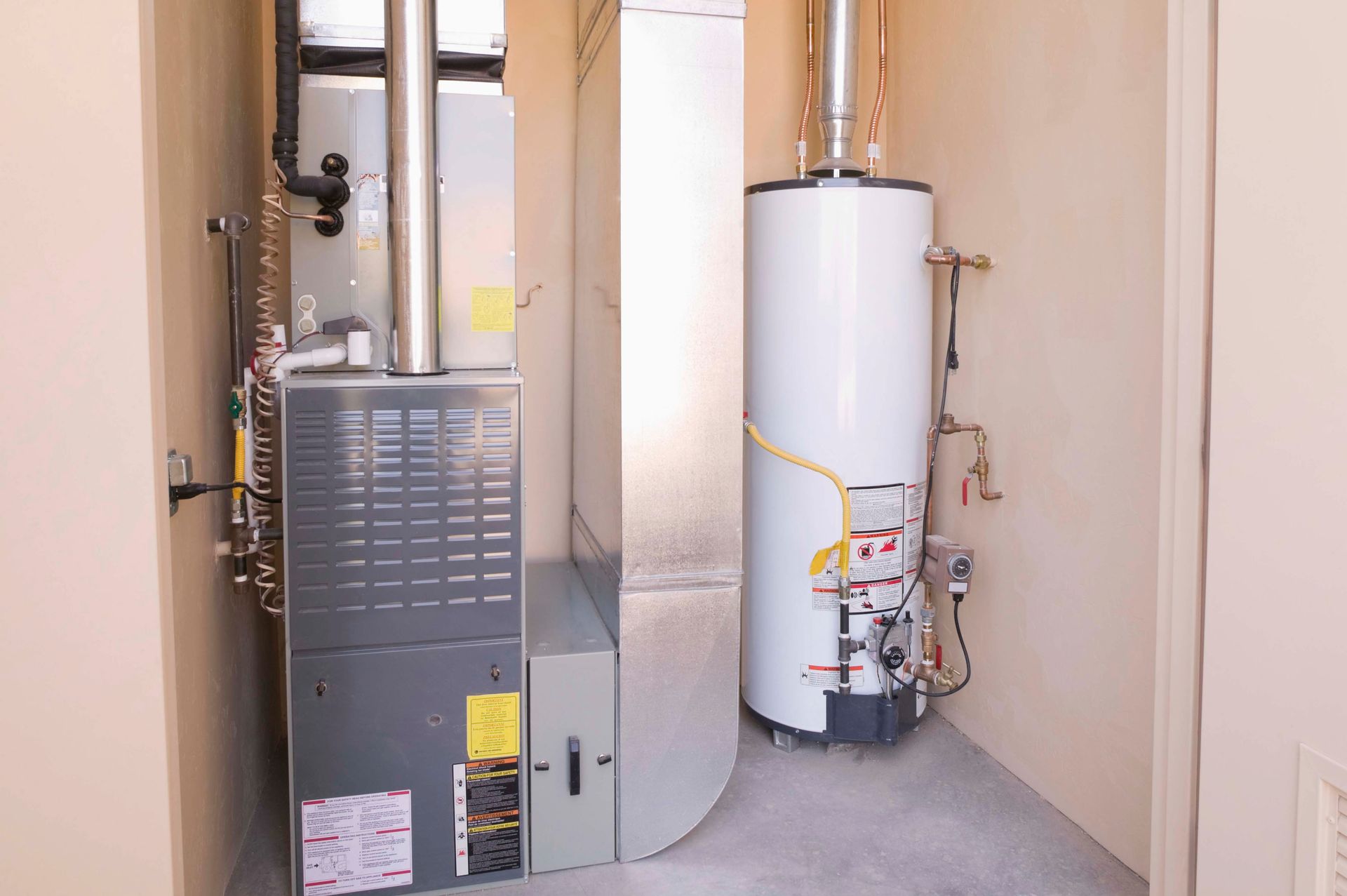
Hot water is an indispensable luxury that many homeowners take for granted right up until the exact moment it disappears. From morning showers and dishwashing to laundry and general household hygiene, your plumbing setup works continuously behind the scenes to keep daily life running smoothly. However, when a heating appliance begins to fail, the resulting inconvenience can rapidly escalate from a mild annoyance to a major structural and financial crisis. According to This Old House, you can swap your 40-gallon water heater for a tankless model, though it may require upgrading your gas line or electrical system. Recognizing subtle warning signs early on can save you from severe structural liquid damage, costly restoration work, and dangerous safety hazards inside your living space. Knowing when to act fast prevents minor mechanical issues from spiraling into total system failure.
Understanding how your appliance operates under normal conditions makes identifying red flags much easier. A healthy unit functions quietly, delivers consistent warmth on demand, and maintains dry, clean outer surfaces around all valves, lines, and joints. When internal components degrade due to age, pressure stress, or mineral accumulation, the appliance communicates its distress through clear physical signs. Paying attention to these indicators ensures you address problems before facing unexpected basement flooding, mold growth, or complete loss of running warm fluid.
Spotting Sudden Temperature Fluctuations
Experiencing a freezing blast of liquid in the middle of a warm shower is more than just a rude awakening; it serves as a primary indicator of internal component degradation. When your equipment struggles to deliver consistent warmth throughout the home, heating elements or burner assemblies are often on the verge of total failure. Heavy sediment accumulation inside the main vessel can also create an insulating barrier that prevents proper heat transfer, causing erratic temperature spikes followed by sudden, uncomfortable drops. Continuing to operate an appliance under these strained thermal conditions risks permanent heating element burnout and severe electrical or gas control malfunction.
In addition to sediment barrier issues, erratic temperature shifts can stem from a failing internal thermostat or a broken dip tube. The dip tube is responsible for pushing cold fluid down to the bottom of the vessel so it can be heated efficiently. When this tube breaks down, incoming cold fluid mixes directly with warm liquid near the top outlet, leading to lukewarm output regardless of your thermostat settings. Prompt water heater repair becomes essential to diagnose whether replacing a faulty thermostat, inserting a new dip tube, or thoroughly flushing out destructive sediment deposits will restore consistent thermal output before complete mechanical collapse occurs.
Detecting Unexplained Pools Around the Base
Finding standing fluid or active dampness accumulating around the base of your appliance demands immediate attention from a professional technician. Fluid accumulation frequently points to a fractured holding tank, a failing temperature and pressure relief valve, or loose connection fittings along the supply line. Internal corrosion silently eats away at steel inner walls over prolonged periods, creating tiny hairline fissures that eventually give way under continuous pressure. Ignoring even minor moisture pooling can lead to catastrophic tank bursting, inundating your utility room, basement, or living areas with massive amounts of fluid within a matter of minutes.
Unchecked liquid leaks extend far beyond simple plumbing issues, as persistent moisture creates the ideal environment for hazardous mold growth and rot within surrounding wooden studs, drywall, and subflooring. When liquid seeps beneath flooring materials, structural repairs can quickly cost thousands of dollars beyond the price of addressing the plumbing appliance itself. Professional water heater repair helps determine if a simple valve replacement or joint tightening can solve the leak, or if total structural compromise of the inner vessel demands immediate equipment replacement to protect your home's foundation and interior structure.
Hearing Strange Popping or Rumbles
Modern liquid heating systems are designed to operate with minimal noise during daily heating cycles. If you begin hearing loud banging, popping, rumbling, or metallic screeching coming from your utility closet or basement, the appliance is signaling severe internal distress. These harsh, alarming noises typically stem from dense mineral deposits that have settled at the bottom of the vessel over prolonged operational periods. Hard water minerals like calcium and magnesium gradually solidify under intense heat, creating a thick layer of rock-like crust above the lower heating elements or burner assembly.
As the underlying heating mechanism warms the liquid trapped beneath this hardened crust, steam bubbles expand rapidly and violently burst through the dense mineral layer, generating loud popping sounds that echo through your plumbing lines. This ongoing thermal-trapping process overheats the bottom metal plate of the vessel, weakening the structural integrity of the steel and causing inner lining fractures. Arranging expert water heater repair immediately allows trained technicians to flush out hardened mineral buildup and thoroughly inspect the inner chamber for dangerous thermal stress, micro-cracks, and structural fatigue before a catastrophic leak occurs.
Noticing Discolored or Foul-Smelling Flow
Turning on a fixture tap only to discover a rusty, cloudy, or foul-smelling stream flowing into your sink is a clear warning sign that your unit requires immediate attention. Reddish, orange, or brownish tints in warm fluid usually point toward active oxidation and rust formation inside the steel holding tank or adjacent piping connections. If left unaddressed, corroded inner walls will continue to thin out until the vessel ruptures under normal household line pressure. Comparing cold fluid appearance against warm output helps confirm whether the oxidation issue originates inside the heating tank itself or within the general home piping system.
Conversely, an unpleasant rotten egg or sulfur-like odor originating exclusively from warm fixtures points toward bacterial growth reacting with the internal sacrificial anode rod. The anode rod is designed to corrode deliberately to protect the main steel tank from rust, but as it deteriorates completely, sulfate-reducing bacteria can thrive inside the warm, stagnant environment. When internal components deteriorate to this degree, fluid quality drops rapidly, creating potential health concerns, unpleasant odors, and heavy rust staining across sinks, tubs, and laundry fixtures. Seeking urgent water heater repair ensures the depleted anode rod is replaced and the internal environment is sanitized before pipe corrosion spreads deeper into your plumbing network.
Observing Discolored Valve and Fitting Corrosion
Visible white, green, orange, or crusty buildup forming along safety valves, intake lines, and pressurized connection points indicates active slow pressure leaks and severe chemical deterioration of metal components. These external fittings endure continuous pressure fluctuations and extreme thermal expansion cycles, making them especially vulnerable to joint fatigue over time. When brass, copper, or steel fittings oxidize, they turn brittle, lose their structural integrity, and lose their ability to maintain a tight seal under standard working pressures.
Ignoring visible corrosion on external components invites sudden, high-pressure line blowouts that can spray hot liquid continuously until main supply valves are manually shut off. Inspecting these connections regularly as part of routine home maintenance is crucial for long-term safety. Requesting fast water heater repair when you first spot heavy external corrosion or crusty mineral buildup ensures deteriorating valves, relief lines, and pressurized joints are swapped out cleanly before high operating pressure causes a sudden pipe rupture inside your home.
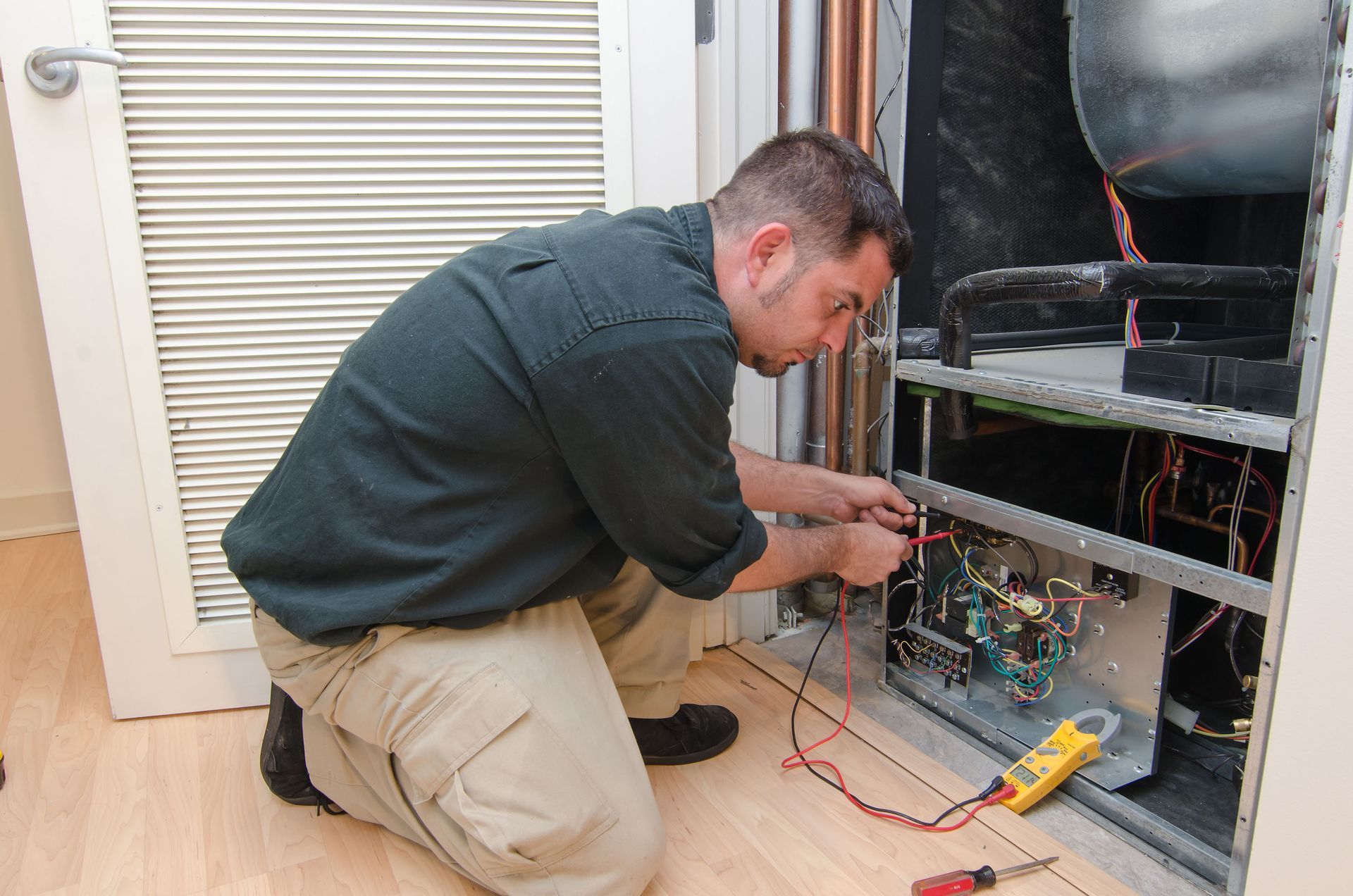
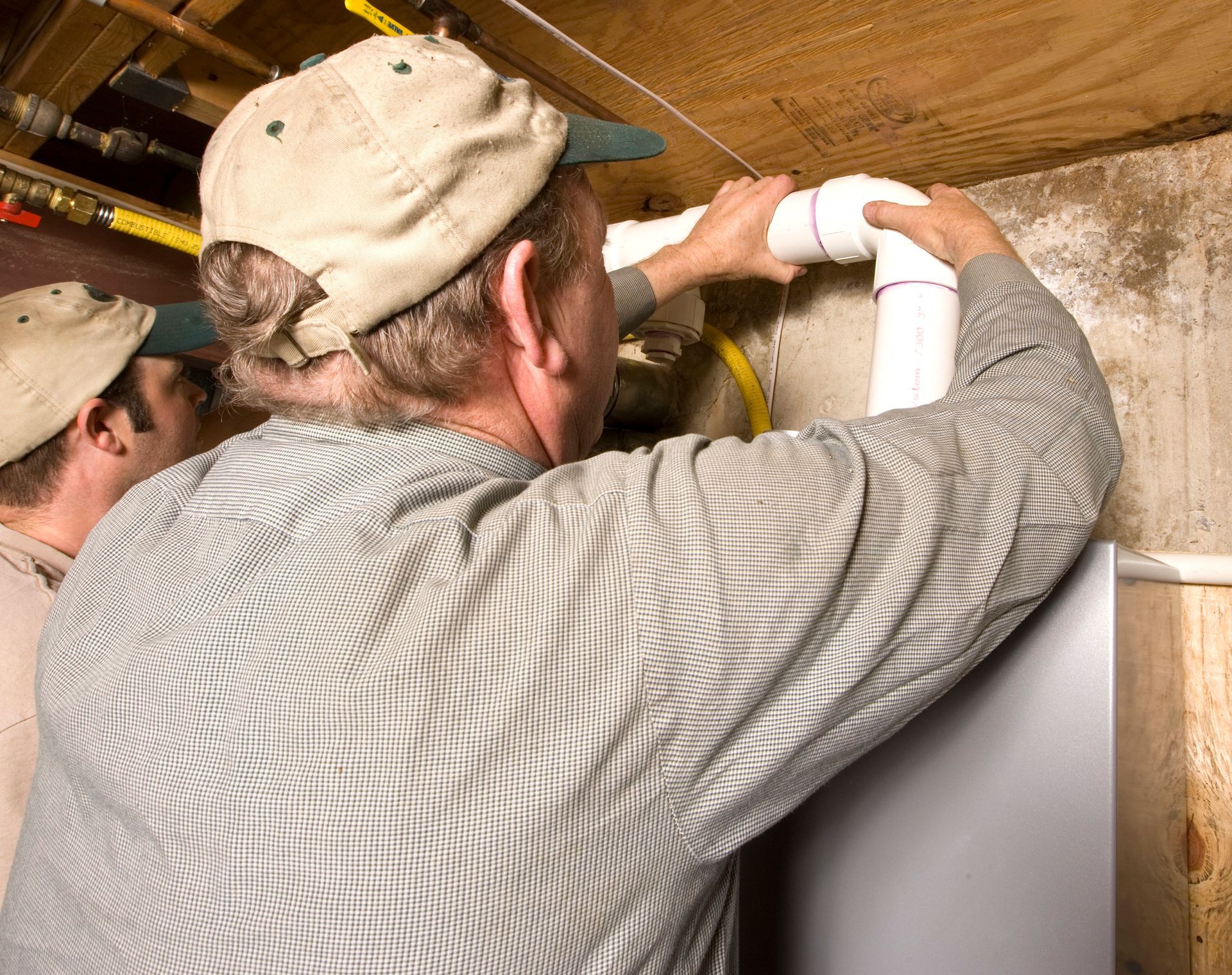
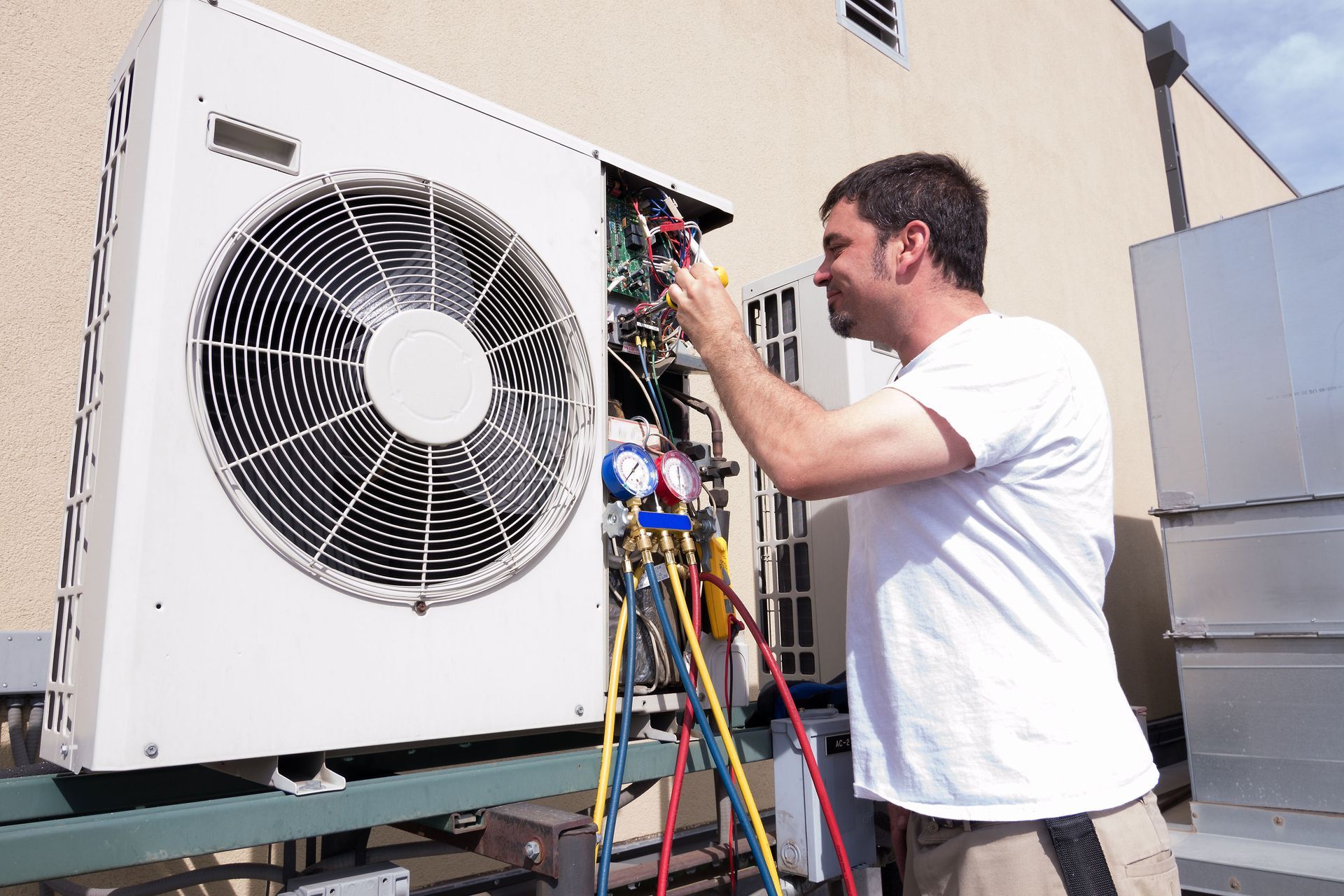
At Real HVAC Services, we are fully committed to keeping your home safe, efficient, and comfortable throughout every season of the year. Our team of experienced, certified technicians provides dependable evaluation, comprehensive maintenance, and rapid emergency water heater repair services tailored specifically to your household needs. Contact us today to restore your peace of mind, protect your property, and ensure your plumbing setup operates flawlessly.