May 21, 2026
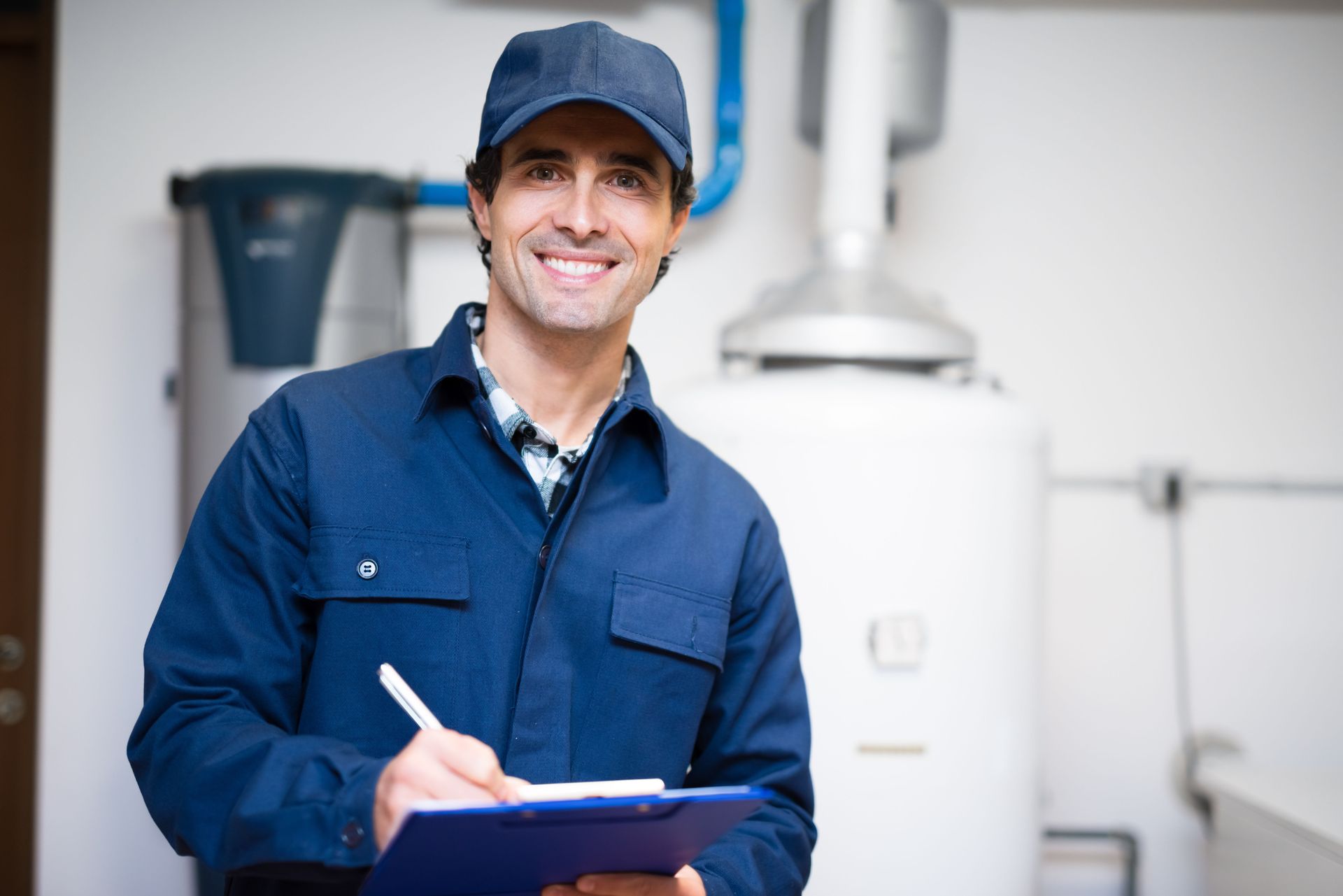
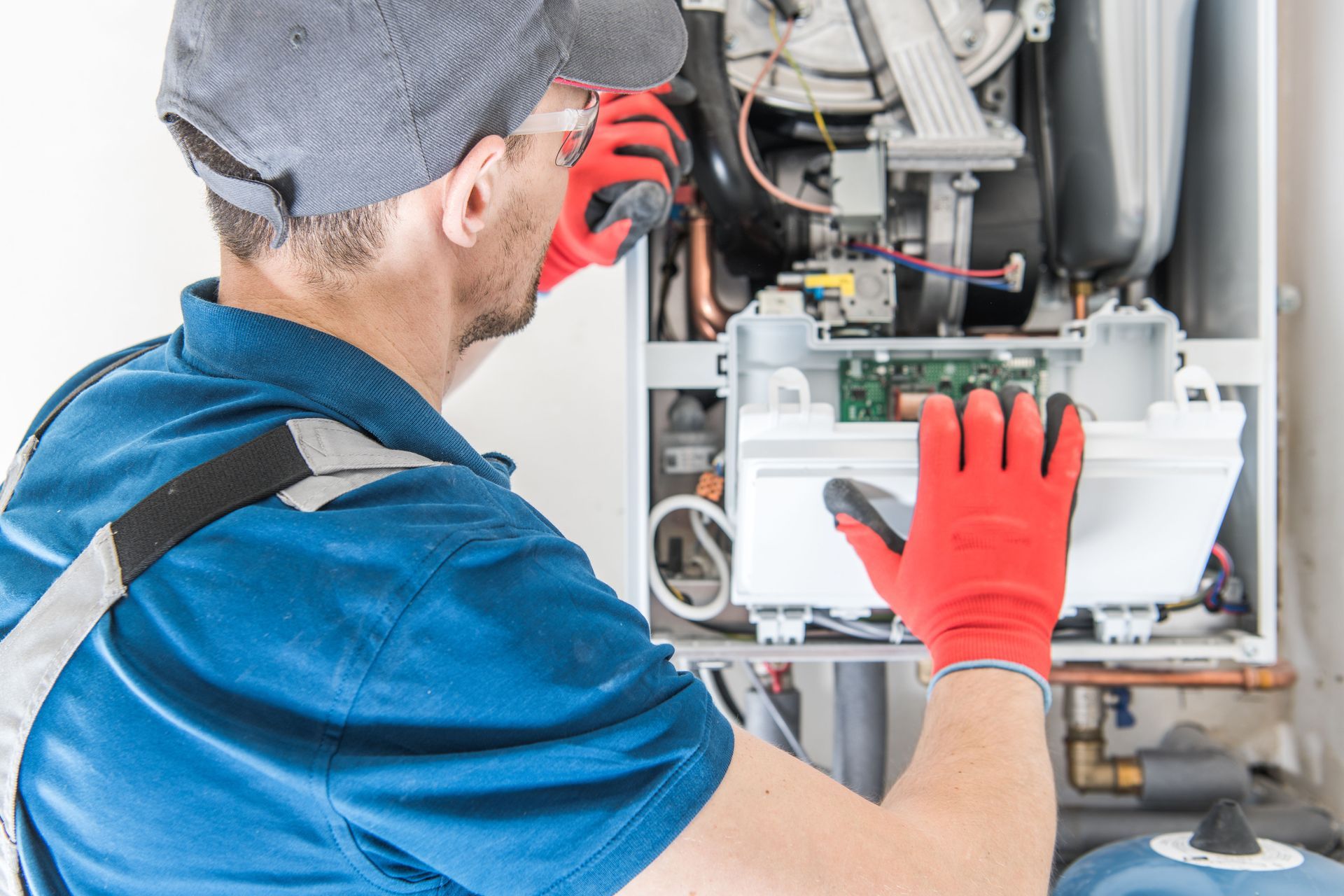
This article explores the most common issues that arise with water heaters and offers solutions for fixing these problems. Understanding these issues can help homeowners maintain their water heater systems, prioritize water heater repairs, and extend their lifespan. Water heaters are essential home appliances that provide the convenience of hot water for showers, cleaning, and cooking. Despite their importance, they aren’t immune to problems. Regular maintenance and timely repairs can significantly enhance the performance and longevity of these units. 1. Inadequate Hot Water Supply A. Identifying Inadequate Water Causes One common issue surrounding water heaters is the inadequate supply of hot water. This problem often starts with a fluctuating heater thermostat, which can prevent the heater from reaching optimal temperatures. Another possible cause is a broken or malfunctioning heating element, which can significantly impact the heater’s ability to produce hot water. Sediment buildup is another factor; debris collection at the bottom of the tank interferes with water heating. Homeowners need to regularly check and maintain their water heater system and schedule water heater repairs to prevent these issues. B. Checking the Thermostat Settings The thermostat setting in a water heater regulates the water temperature. Incorrect thermostat settings can cause an inadequate hot water supply. If the temperature is set too low, it can limit the amount of hot water available. To ensure optimal performance, homeowners should check and adjust the thermostat settings every few months. Properly calibrated thermostat settings are essential for maintaining a consistent water temperature and maximizing efficiency. C. Dealing with a Faulty Heating Element A faulty heating element can lead to an inadequate hot water supply. These components are responsible for heating the water to the desired temperature. Over time, heating elements may wear out, reducing their efficiency and ability to properly heat water. Replacing the damaged element with a new one can restore the water heater's heating efficiency. Regular inspections and prompt water heater repairs can help prevent issues arising from faulty heating elements. 2. Water Heater Leaks A. Identifying Leak Sources Water heater leaks can be problematic, causing damage to both the heater and the surrounding areas. Identifying leak sources is critical to prevent further issues. Common sources include faulty parts such as the drain valve, pressure relief valve, or corroded tank. A thorough inspection can pinpoint the exact problem areas and determine the necessary course of action. Prompt attention to leaks via professional water heater repairs can prevent extensive damage and decrease water waste. B. Fixing a Leaky Drain Valve A leaky drain valve is a common cause of water heater leaks. This valve is meant for flushing the tank, but it may not close tightly, allowing water to escape. Replacing the faulty drain valve or tightening it if it is loose can resolve the issue. Regular inspections can help detect potential valve problems early. Addressing drain valve leaks promptly ensures efficient water heater operation and prevents water damage. C. Addressing a Corroded Tank One of the more severe problems causing water heater leaks is a corroded tank. Over time, water's natural minerals and chemicals can cause the tank to rust. A corroded tank is beyond repair and often necessitates replacement. According to This Old House, the average tank water heater will last for 10 to 15 years. Regular maintenance and using protective measures like anode rods can prolong a tank's life and delay the need for major water heater repairs or replacements. 3. Water Temperature Issues A. Examining Thermostat Malfunctions Water temperature issues often arise from thermostat malfunctions. The thermostat regulates water temperature but can become inaccurate or defective over time. If the water heater is not maintaining the specified temperature, checking the thermostat is essential. Adjusting or recalibrating the thermostat can correct temperature inconsistencies. Periodic checks can ensure the thermostat functions properly, providing reliable water temperatures. B. Analyzing Relief Valve Errors Temperature and pressure relief valves are essential components that can influence water temperature issues. These valves maintain system safety by releasing excess pressure and temperature. A malfunctioning valve might trip unnecessarily or not function at all, causing fluctuating water temperatures. Conducting an error analysis can identify malfunctioning valves, which may require cleaning or specialized water heater repairs. Maintaining functional relief valves ensures the heater operates within safe and efficient parameters. C. Recalibrating the Thermostat If water is consistently too hot or too cold, recalibrating the thermostat might be necessary. This process involves adjusting the thermostat to ensure the heater maintains the desired temperature. Relying on the manufacturer’s guidelines can aid in recalibration. Homeowners can perform recalibration themselves, but may seek professional assistance for complex models. Regular calibration can prevent sudden fluctuations in water temperature and optimize energy consumption. 4. Unusual Noises from the Water Heater A. Diagnosing Banging and Popping Sounds Unusual noises, such as banging or popping sounds from a water heater, can indicate underlying issues. The most common cause of these noises is sediment buildup, causing the water to boil and create disruptive sounds. Another potential cause is the heating element scaling, which can produce popping sounds during operation. Regular flushing and cleaning of the tank can prevent these noises. Addressing the root causes through water heater repairs ensures safe and efficient water heater function. B. Eliminating Tank Sediment Buildup Sediment buildup is a prevalent cause of unusual noises in water heaters. Minerals and debris can accumulate at the bottom of the tank over time, affecting heater performance and causing loud sounds. Regularly flushing the tank can remove sediment, alleviating any associated noises. It also restores the heater’s efficiency and effectively distributes heat within the tank. A well-maintained tank significantly reduces the likelihood of disruptive noises. C. Implementing High-Pressure Solutions High water pressure can contribute to unusual noises in water heaters. Pressure exceeding the recommended levels can cause mechanical stress, leading to banging sounds. Installing a pressure-reducing valve can control excessive water pressure. Regularly monitoring pressure levels and adjusting settings accordingly can preserve heater integrity. Adhering to proper pressure settings prevents unnecessary stress on the heater, reducing noise incidents and the frequency of water heater repairs. 5. Water Smells Bad A. Identifying the Source of Foul Odors Bad-smelling water is a common issue that can arise from water heaters, often due to sulfuric or metallic odors. Identifying the source of foul odors typically involves examining water contamination levels or anaerobic bacteria growth in the tank. The presence of certain bacteria interacting with water’s magnesium anodes can lead to odorous hydrogen sulfide gas production. A comprehensive water test can trace the source of these odors. Addressing the root cause promptly ensures clean and safe water. B. Cleaning the Tank: Essential Steps Cleaning the tank is crucial when dealing with odorous water. Flushing the tank thoroughly can remove bacterial buildup or mineral deposits that contribute to odors. A regular cleaning routine can significantly reduce sediment and anaerobic bacteria, improving water quality and smell. Homeowners can perform tank cleaning independently or seek professional assistance for comprehensive services. Maintaining a clean tank promotes odor-free water and improves the heater’s overall performance. C. Using Anode Rods Effectively Anode rods play a vital role in preventing foul odors from water heaters. These rods protect the tank from corrosion but can interact with bacteria, creating unpleasant smells. Replacing magnesium anode rods with aluminum or zinc alternatives can mitigate this issue. Ensuring the anode rod is functional and without excess wear extends the heater's life and improves water quality. Routinely checking and replacing anode rods as needed ensures better water quality and system longevity. Regular maintenance and timely water heater repairs can massively extend the lifespan of your water heater. By understanding these common issues and their solutions, homeowners can ensure their water heating systems run efficiently and reliably. From inadequate hot water supply to persistent pilot light issues, addressing these problems promptly fosters appliance durability. Investing in preventive measures ensures a consistent hot water supply and improves system performance. Homeowners can enjoy peace of mind knowing their water heaters are well-maintained and functioning optimally. Contact Real HVAC Services today to schedule your expert water heater repair and secure the consistent, efficient hot water supply your home requires.