10 Practical Benefits of Installing a Mini Split AC Unit
April 17, 2026

April 17, 2026

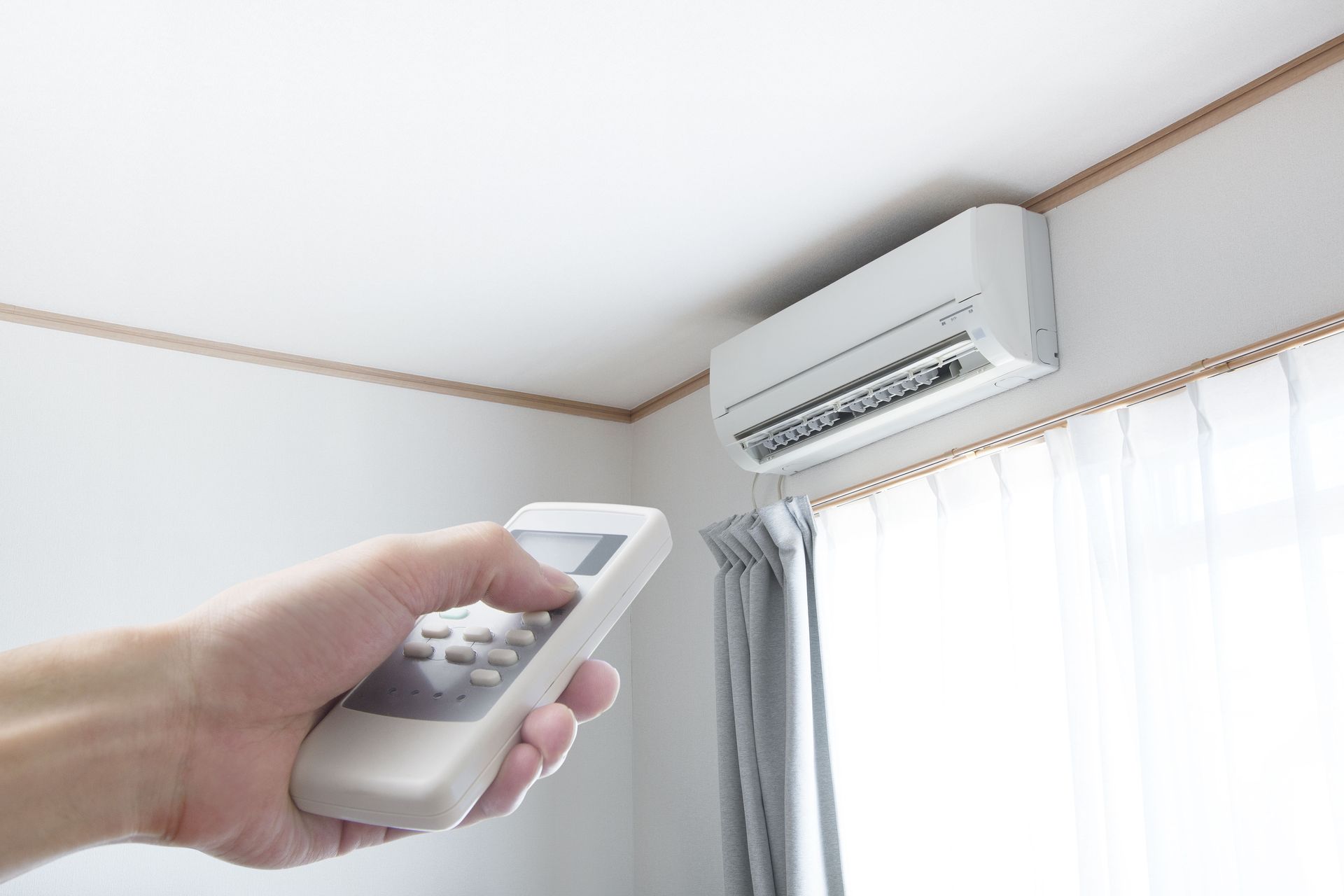
Modern homeowners want cooling systems that deliver comfort, efficiency, and flexibility without requiring major structural changes to their homes. Traditional central air systems rely on extensive ductwork and large infrastructure, which can make them expensive or impractical in many situations. That is why mini split AC systems have become increasingly popular for both new installations and home upgrades. These systems provide powerful cooling while remaining compact and adaptable to different spaces.


A mini split AC system consists of an outdoor condenser connected to one or more indoor air handlers. Because they operate without ductwork, they can be installed in places where central air systems would be difficult or inefficient. According to the Department of Energy, mini split AC units avoid the energy loss associated with ductwork in central forced air systems, which can account for over 30% of air conditioning energy consumption. This efficiency, combined with their versatility, makes them a practical solution for homeowners looking to improve indoor comfort.


1. Increasing Energy Efficiency Throughout the Home

Energy efficiency is one of the most significant advantages of installing a mini split AC system. Unlike traditional systems that rely on long duct runs, these units deliver cooled air directly into the room where it is needed. This targeted approach reduces energy waste and allows the system to operate more efficiently during hot weather.


Because conditioned air does not travel through ducts, there is far less opportunity for cooling loss before it reaches living spaces. Many homeowners notice lower energy consumption and more consistent temperatures after installing a mini split AC. Over time, improved efficiency can translate into noticeable savings on monthly utility bills.


2. Providing Flexible Cooling for Different Areas

Homes often contain rooms that cool differently depending on their size, insulation, or exposure to sunlight. Traditional central systems sometimes struggle to maintain balanced temperatures throughout the house. A mini split AC system solves this issue by allowing individual indoor units to be installed in specific areas.


Each indoor air handler can operate independently, meaning homeowners can cool certain rooms without running the entire system. This flexibility is especially helpful for additions, converted garages, finished basements, or home offices. With a mini split AC system, cooling can be tailored to each space rather than relying on a one-size-fits-all approach.


3. Simplifying Installation Compared to Central Systems

Installing central air conditioning often requires extensive ductwork modifications, which can increase both cost and installation time. In contrast, mini split AC systems require only a small conduit to connect the indoor and outdoor components. This streamlined design allows technicians to install the system with minimal disruption to the home.


The reduced complexity makes mini split AC systems an excellent choice for older homes that were not originally built with ductwork. Instead of opening walls and ceilings to install ducts, the compact indoor units can be mounted in strategic locations. This faster installation process allows homeowners to enjoy improved cooling without undergoing a major renovation.


4. Improving Comfort Through Zoned Temperature Control

Temperature preferences can vary significantly from one person to another. In households with multiple occupants, disagreements about thermostat settings are common. A mini split AC system solves this problem by creating individual cooling zones within the home.


Each zone can be adjusted independently, allowing occupants to customize temperatures based on their comfort preferences. Bedrooms can remain cooler at night while living areas maintain a moderate daytime temperature. This level of control makes mini split AC systems particularly appealing for families with different comfort needs.


5. Enhancing Indoor Air Quality and Circulation

Indoor air quality plays a major role in maintaining a healthy living environment. Dust, allergens, and other airborne particles can accumulate within duct systems and circulate throughout the home. Because a mini split AC system does not rely on ducts, it can help reduce the spread of contaminants through hidden ventilation pathways.


Most mini split AC units also include advanced filtration systems designed to capture airborne particles before they circulate in living spaces. These filters help maintain cleaner indoor air while improving airflow throughout the room. For homeowners concerned about indoor comfort and health, this added filtration can make a noticeable difference.


6. Supporting Quiet Operation for Everyday Comfort

Noise levels are another important consideration when selecting a cooling system. Traditional HVAC systems can produce noticeable sounds when large air handlers or ductwork push air throughout the house. Mini split AC systems are designed with quieter operation in mind.


The indoor units typically operate at very low noise levels, making them ideal for bedrooms, offices, and living areas. Because the compressor is located outside the home, the indoor environment remains calm and comfortable. Many homeowners appreciate how a mini split AC system maintains cooling performance without creating disruptive background noise.


7. Maximizing Usable Living Space

Ductwork can take up valuable space inside ceilings, walls, or attics. In some homes, installing central air requires sacrificing storage areas or making structural modifications. A mini split AC system avoids this problem because it does not depend on large ducts running through the house.


The indoor air handlers are compact and can be mounted high on walls or integrated into ceiling spaces. This design allows homeowners to maintain their existing layout while still adding efficient cooling. By eliminating bulky ducts, a mini split AC system helps preserve valuable living space throughout the home.


8. Adapting Easily to Home Additions and Renovations

Home renovations often introduce new spaces that require reliable cooling. Whether a homeowner builds an addition, converts an attic, or finishes a basement, extending ductwork from a central system can be complicated. A mini split AC system offers a much simpler solution for these scenarios.


New indoor units can be installed in the renovated area without altering the rest of the home’s HVAC infrastructure. This adaptability makes mini split AC systems ideal for growing households or properties undergoing remodeling projects. Instead of redesigning the entire cooling system, homeowners can simply expand their mini split setup.


9. Delivering Reliable Performance in Various Conditions

Consistency is essential when it comes to indoor comfort during hot weather. Many homeowners rely on cooling systems that can handle long periods of operation without sacrificing performance. A mini split AC system is designed to deliver reliable cooling even during peak summer temperatures.


Advanced inverter technology allows the system to adjust its output based on current cooling demands. Rather than constantly turning on and off like traditional systems, mini split AC units can operate at variable speeds to maintain stable temperatures. This smooth operation improves both comfort and system longevity.


10. Increasing Overall Property Appeal and Value

Home improvements that enhance comfort and energy efficiency often increase a property's overall appeal. Buyers increasingly value features that reduce operating costs and improve everyday living conditions. Installing a mini split AC system can contribute to a more modern and efficient home environment.


Potential buyers appreciate homes that offer zoned cooling, quiet operation, and improved energy performance. These features make the property more attractive in competitive housing markets. A mini split AC system serves as both a comfort upgrade and a potential long-term investment.


Upgrading a home’s cooling system can significantly improve comfort, efficiency, and flexibility for everyday living. Mini split AC systems offer targeted cooling, quieter operation, and energy savings that traditional systems often struggle to match. At Real HVAC Services, we help homeowners choose and install the right mini split AC solution for their space and comfort goals. Contact our team today to learn how we can help you upgrade your home with an efficient and reliable cooling system.
water heater repairs
May 22, 2026
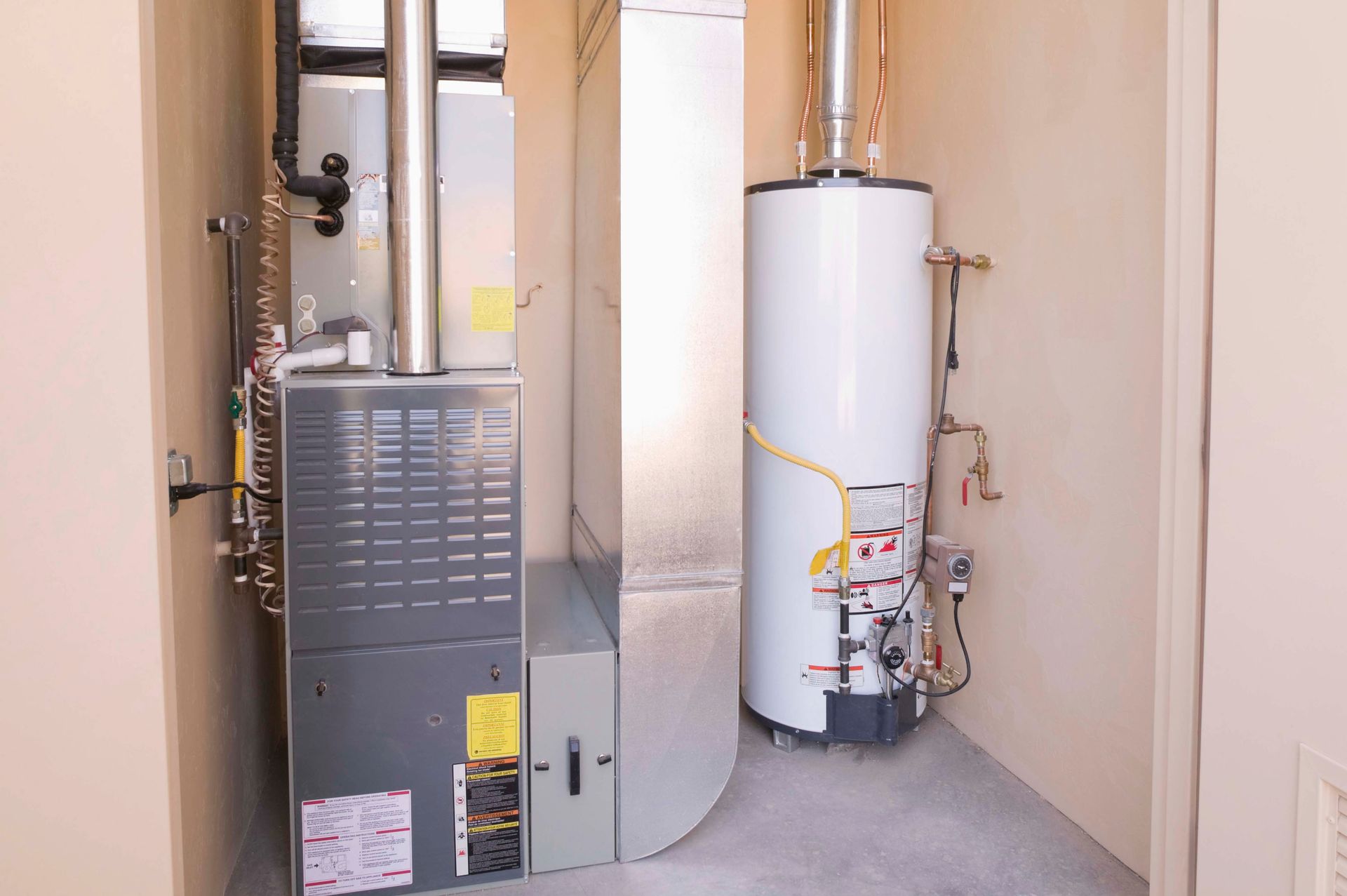
There are several things that can result in the need for water heater repairs. Keep an eye out for these common issues and handle them as they arise.
May 21, 2026
This article explores the most common issues that arise with water heaters and offers solutions for fixing these problems. Understanding these issues can help homeowners maintain their water heater systems, prioritize water heater repairs, and extend their lifespan. Water heaters are essential home appliances that provide the convenience of hot water for showers, cleaning, and cooking. Despite their importance, they aren’t immune to problems. Regular maintenance and timely repairs can significantly enhance the performance and longevity of these units. 1. Inadequate Hot Water Supply A. Identifying Inadequate Water Causes One common issue surrounding water heaters is the inadequate supply of hot water. This problem often starts with a fluctuating heater thermostat, which can prevent the heater from reaching optimal temperatures. Another possible cause is a broken or malfunctioning heating element, which can significantly impact the heater’s ability to produce hot water. Sediment buildup is another factor; debris collection at the bottom of the tank interferes with water heating. Homeowners need to regularly check and maintain their water heater system and schedule water heater repairs to prevent these issues. B. Checking the Thermostat Settings The thermostat setting in a water heater regulates the water temperature. Incorrect thermostat settings can cause an inadequate hot water supply. If the temperature is set too low, it can limit the amount of hot water available. To ensure optimal performance, homeowners should check and adjust the thermostat settings every few months. Properly calibrated thermostat settings are essential for maintaining a consistent water temperature and maximizing efficiency. C. Dealing with a Faulty Heating Element A faulty heating element can lead to an inadequate hot water supply. These components are responsible for heating the water to the desired temperature. Over time, heating elements may wear out, reducing their efficiency and ability to properly heat water. Replacing the damaged element with a new one can restore the water heater's heating efficiency. Regular inspections and prompt water heater repairs can help prevent issues arising from faulty heating elements. 2. Water Heater Leaks A. Identifying Leak Sources Water heater leaks can be problematic, causing damage to both the heater and the surrounding areas. Identifying leak sources is critical to prevent further issues. Common sources include faulty parts such as the drain valve, pressure relief valve, or corroded tank. A thorough inspection can pinpoint the exact problem areas and determine the necessary course of action. Prompt attention to leaks via professional water heater repairs can prevent extensive damage and decrease water waste. B. Fixing a Leaky Drain Valve A leaky drain valve is a common cause of water heater leaks. This valve is meant for flushing the tank, but it may not close tightly, allowing water to escape. Replacing the faulty drain valve or tightening it if it is loose can resolve the issue. Regular inspections can help detect potential valve problems early. Addressing drain valve leaks promptly ensures efficient water heater operation and prevents water damage. C. Addressing a Corroded Tank One of the more severe problems causing water heater leaks is a corroded tank. Over time, water's natural minerals and chemicals can cause the tank to rust. A corroded tank is beyond repair and often necessitates replacement. According to This Old House, the average tank water heater will last for 10 to 15 years. Regular maintenance and using protective measures like anode rods can prolong a tank's life and delay the need for major water heater repairs or replacements. 3. Water Temperature Issues A. Examining Thermostat Malfunctions Water temperature issues often arise from thermostat malfunctions. The thermostat regulates water temperature but can become inaccurate or defective over time. If the water heater is not maintaining the specified temperature, checking the thermostat is essential. Adjusting or recalibrating the thermostat can correct temperature inconsistencies. Periodic checks can ensure the thermostat functions properly, providing reliable water temperatures. B. Analyzing Relief Valve Errors Temperature and pressure relief valves are essential components that can influence water temperature issues. These valves maintain system safety by releasing excess pressure and temperature. A malfunctioning valve might trip unnecessarily or not function at all, causing fluctuating water temperatures. Conducting an error analysis can identify malfunctioning valves, which may require cleaning or specialized water heater repairs. Maintaining functional relief valves ensures the heater operates within safe and efficient parameters. C. Recalibrating the Thermostat If water is consistently too hot or too cold, recalibrating the thermostat might be necessary. This process involves adjusting the thermostat to ensure the heater maintains the desired temperature. Relying on the manufacturer’s guidelines can aid in recalibration. Homeowners can perform recalibration themselves, but may seek professional assistance for complex models. Regular calibration can prevent sudden fluctuations in water temperature and optimize energy consumption. 4. Unusual Noises from the Water Heater A. Diagnosing Banging and Popping Sounds Unusual noises, such as banging or popping sounds from a water heater, can indicate underlying issues. The most common cause of these noises is sediment buildup, causing the water to boil and create disruptive sounds. Another potential cause is the heating element scaling, which can produce popping sounds during operation. Regular flushing and cleaning of the tank can prevent these noises. Addressing the root causes through water heater repairs ensures safe and efficient water heater function. B. Eliminating Tank Sediment Buildup Sediment buildup is a prevalent cause of unusual noises in water heaters. Minerals and debris can accumulate at the bottom of the tank over time, affecting heater performance and causing loud sounds. Regularly flushing the tank can remove sediment, alleviating any associated noises. It also restores the heater’s efficiency and effectively distributes heat within the tank. A well-maintained tank significantly reduces the likelihood of disruptive noises. C. Implementing High-Pressure Solutions High water pressure can contribute to unusual noises in water heaters. Pressure exceeding the recommended levels can cause mechanical stress, leading to banging sounds. Installing a pressure-reducing valve can control excessive water pressure. Regularly monitoring pressure levels and adjusting settings accordingly can preserve heater integrity. Adhering to proper pressure settings prevents unnecessary stress on the heater, reducing noise incidents and the frequency of water heater repairs. 5. Water Smells Bad A. Identifying the Source of Foul Odors Bad-smelling water is a common issue that can arise from water heaters, often due to sulfuric or metallic odors. Identifying the source of foul odors typically involves examining water contamination levels or anaerobic bacteria growth in the tank. The presence of certain bacteria interacting with water’s magnesium anodes can lead to odorous hydrogen sulfide gas production. A comprehensive water test can trace the source of these odors. Addressing the root cause promptly ensures clean and safe water. B. Cleaning the Tank: Essential Steps Cleaning the tank is crucial when dealing with odorous water. Flushing the tank thoroughly can remove bacterial buildup or mineral deposits that contribute to odors. A regular cleaning routine can significantly reduce sediment and anaerobic bacteria, improving water quality and smell. Homeowners can perform tank cleaning independently or seek professional assistance for comprehensive services. Maintaining a clean tank promotes odor-free water and improves the heater’s overall performance. C. Using Anode Rods Effectively Anode rods play a vital role in preventing foul odors from water heaters. These rods protect the tank from corrosion but can interact with bacteria, creating unpleasant smells. Replacing magnesium anode rods with aluminum or zinc alternatives can mitigate this issue. Ensuring the anode rod is functional and without excess wear extends the heater's life and improves water quality. Routinely checking and replacing anode rods as needed ensures better water quality and system longevity. Regular maintenance and timely water heater repairs can massively extend the lifespan of your water heater. By understanding these common issues and their solutions, homeowners can ensure their water heating systems run efficiently and reliably. From inadequate hot water supply to persistent pilot light issues, addressing these problems promptly fosters appliance durability. Investing in preventive measures ensures a consistent hot water supply and improves system performance. Homeowners can enjoy peace of mind knowing their water heaters are well-maintained and functioning optimally. Contact Real HVAC Services today to schedule your expert water heater repair and secure the consistent, efficient hot water supply your home requires.
water heater repair
April 23, 2026
Water heater repair services assess age, efficiency, safety, and performance to determine the best solution. This helps avoid unnecessary costs and issues.
Show More →