5 Causes of Sudden Water Heater Failure
May 22, 2026

May 22, 2026

Sudden equipment failure often transforms a peaceful morning into a logistical nightmare, especially when it involves the primary source of hot water in a home. Understanding the various factors that contribute to these unexpected breakdowns allows homeowners to stay ahead of potential disasters and maintain a consistent supply of heat for bathing, cleaning, and sanitizing. Most units operate quietly in the background for years, which often leads to a false sense of security regarding their internal condition.


By taking a proactive stance on system health, individuals can identify the subtle warnings that precede a total shutdown. This article examines the core reasons behind sudden malfunctions and the ways that regular oversight can preserve the integrity of the unit. Awareness is the first step toward prevention, as many of the most common issues are cumulative and develop slowly over time before manifesting as a complete failure. Focusing on the technical health of the appliance ensures that its performance remains reliable and that energy consumption stays within a reasonable range throughout its operational lifespan.


1. Removing Mineral Deposits


Sediment accumulation serves as a primary catalyst for many systemic issues within a tank based system. This process occurs naturally as minerals like calcium and magnesium precipitate out of the water during the heating cycle and settle at the base of the tank. Over several years, this layer of debris can become thick enough to act as an unintended thermal barrier between the burner or heating element and the water itself.


Beyond the physical strain on the tank, these deposits significantly reduce the overall efficiency of the appliance. Homeowners might notice strange popping or rumbling sounds, which are actually steam bubbles escaping from beneath the layer of sediment. When these indicators are ignored, the internal components undergo rapid degradation that could have been avoided with professional intervention. Incorporating regular flushing into a maintenance schedule helps clear out these particulates and ensures that the heating process remains direct and efficient. This simple act of cleaning helps in preventing the overheating that often leads to the need for water heater repairs.


2. Preventing Internal Rust


Corrosion remains the silent enemy of any metal vessel that constantly holds water. Manufacturers include a sacrificial anode rod inside the tank to attract corrosive elements, effectively sacrificing itself to save the steel lining from oxidation. However, these rods have a limited lifespan and eventually dissolve completely, leaving the tank walls vulnerable to the corrosive nature of the water. Once the protective barrier provided by the anode rod is gone, rust begins to eat away at the tank joints and the glass lining, which can lead to pinhole leaks or even a catastrophic tank burst if the structural integrity is sufficiently compromised.


The presence of rust is often first detected through a metallic taste in the water or a brownish tint appearing in the bathtub. These visual cues suggest that the internal oxidation has reached a critical stage where the metal is actively sloughing off into the water supply. Maintaining the integrity of the tank requires periodic inspections of the anode rod and the external fittings to ensure that no moisture is bypassing the seals. Professional technicians can evaluate the level of decay and recommend whether a component replacement can save the unit or if the corrosion has progressed too far. Catching these signs early is the most effective way to avoid the complications associated with extensive water heater repairs.


3. Regulating Temperature Accuracy


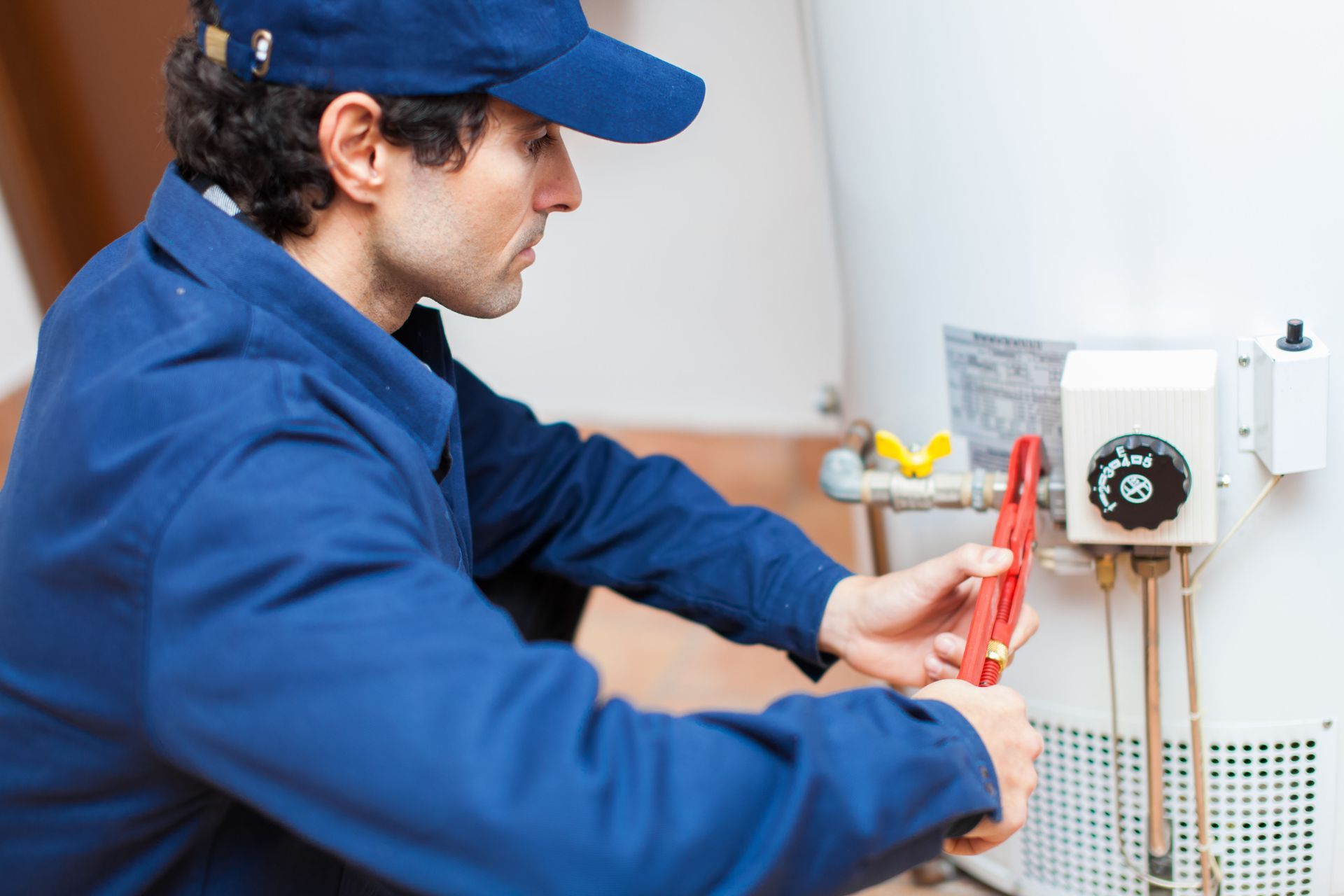
The thermostat acts as the brain of the system, monitoring the internal environment and signaling the heating elements to engage or disengage. When this component fails, it can cause the unit to stop heating entirely or, more dangerously, cause it to heat the water indefinitely. If a thermostat becomes stuck in the on position, the water temperature can rise to dangerous levels, increasing the internal pressure and posing a significant risk of scalding to anyone using the fixtures. Conversely, a thermostat that fails to trigger leaves the household with nothing but cold water, which is often the first sign of a major electrical or mechanical issue.


Calibration issues or electrical shorts within the thermostat assembly can occur due to age or power surges. When the sensors become inaccurate, the unit may cycle on and off too frequently, a process known as short cycling, which wears out the heating elements and increases energy bills. Replacing a faulty thermostat is a technical task that requires a precise understanding of the wiring and the specific model requirements to ensure safe operation.


4. Managing Internal Pressure


Every tank is equipped with a pressure relief valve, a safety device designed to discharge water if the internal pressure or temperature exceeds safe limits. This valve is the last line of defense against a tank explosion, as it provides an escape route for excess energy. Over time, mineral buildup or simple mechanical fatigue can cause this valve to seize shut or leak continuously. A valve that is stuck closed is a major safety hazard, while a leaking valve wastes significant amounts of water and can cause local flooding or water damage to the surrounding floor and walls.


Regular testing of this safety feature is a necessary part of responsible homeownership, as it ensures the mechanical components move freely and seal correctly when closed. If the valve drips constantly, it may be signaling that the internal pressure of the home is too high or that the thermal expansion tank has failed. Because this component handles high-temperature water under significant force, its failure should be addressed immediately by a qualified technician. Keeping this safety mechanism in peak condition is a fundamental aspect of avoiding the emergency scenarios that necessitate water heater repairs.


5. Addressing Energy Supply


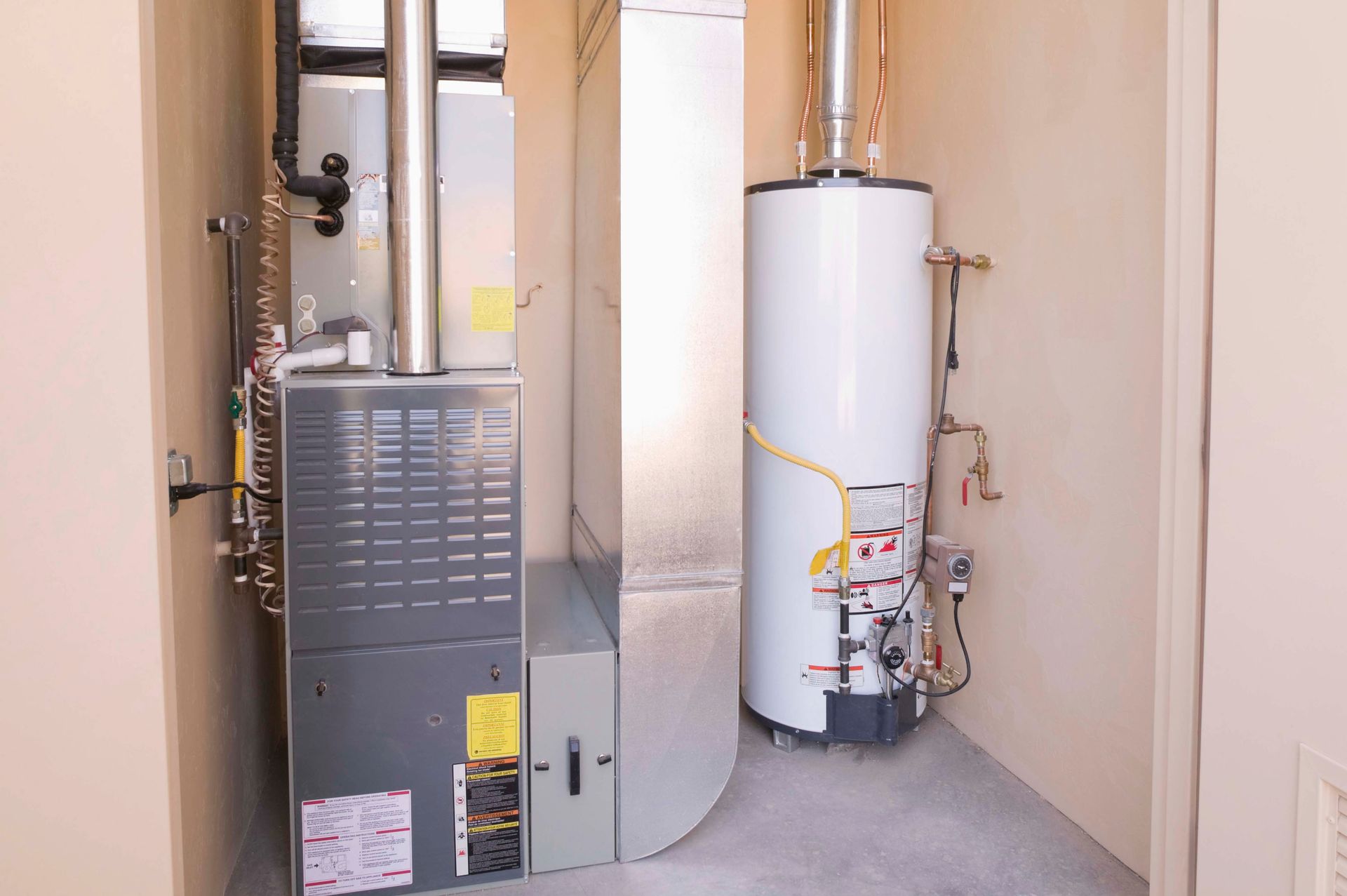
The consistent flow of electricity or gas is the lifeblood of any water heating system, and interruptions in these utilities can cause sudden failures. For gas units, a pilot light that frequently goes out or a failing thermocouple can prevent the burner from igniting, leading to a total loss of hot water. Electric units are susceptible to tripped breakers, blown fuses, or burned-out heating elements that can no longer convert electricity into heat. Regular safety checks, particularly in older units exceeding 10 years in age, are critical in offsetting these risks according to HomeGuide. Addressing supply issues early not only saves on repair costs but also ensures household safety.


Wiring degradation and gas line clogs are serious concerns that require professional diagnostic tools to resolve. In some cases, the problem may not be with the heater itself but with the infrastructure of the home, such as an overloaded electrical panel or a faulty gas regulator. Ensuring that the supply lines are secure and that the venting systems are clear of obstructions is essential for preventing carbon monoxide buildup in gas models. Monitoring the way the unit interacts with the home's energy grid helps in identifying the need for professional water heater repairs before a complete system blackout occurs.


Maintaining a reliable hot water system requires a balance of observation and professional care. Consistent attention to these details prevents small mechanical hitches from evolving into expensive household emergencies. If you notice signs of leakage, inconsistent temperatures, or unusual noises coming from your tank, do not wait for the system to fail completely. Contact Real HVAC Services today to schedule a comprehensive inspection and ensure your system is operating at peak performance through professional
water heater repairs.
May 21, 2026
This article explores the most common issues that arise with water heaters and offers solutions for fixing these problems. Understanding these issues can help homeowners maintain their water heater systems, prioritize water heater repairs, and extend their lifespan. Water heaters are essential home appliances that provide the convenience of hot water for showers, cleaning, and cooking. Despite their importance, they aren’t immune to problems. Regular maintenance and timely repairs can significantly enhance the performance and longevity of these units. 1. Inadequate Hot Water Supply A. Identifying Inadequate Water Causes One common issue surrounding water heaters is the inadequate supply of hot water. This problem often starts with a fluctuating heater thermostat, which can prevent the heater from reaching optimal temperatures. Another possible cause is a broken or malfunctioning heating element, which can significantly impact the heater’s ability to produce hot water. Sediment buildup is another factor; debris collection at the bottom of the tank interferes with water heating. Homeowners need to regularly check and maintain their water heater system and schedule water heater repairs to prevent these issues. B. Checking the Thermostat Settings The thermostat setting in a water heater regulates the water temperature. Incorrect thermostat settings can cause an inadequate hot water supply. If the temperature is set too low, it can limit the amount of hot water available. To ensure optimal performance, homeowners should check and adjust the thermostat settings every few months. Properly calibrated thermostat settings are essential for maintaining a consistent water temperature and maximizing efficiency. C. Dealing with a Faulty Heating Element A faulty heating element can lead to an inadequate hot water supply. These components are responsible for heating the water to the desired temperature. Over time, heating elements may wear out, reducing their efficiency and ability to properly heat water. Replacing the damaged element with a new one can restore the water heater's heating efficiency. Regular inspections and prompt water heater repairs can help prevent issues arising from faulty heating elements. 2. Water Heater Leaks A. Identifying Leak Sources Water heater leaks can be problematic, causing damage to both the heater and the surrounding areas. Identifying leak sources is critical to prevent further issues. Common sources include faulty parts such as the drain valve, pressure relief valve, or corroded tank. A thorough inspection can pinpoint the exact problem areas and determine the necessary course of action. Prompt attention to leaks via professional water heater repairs can prevent extensive damage and decrease water waste. B. Fixing a Leaky Drain Valve A leaky drain valve is a common cause of water heater leaks. This valve is meant for flushing the tank, but it may not close tightly, allowing water to escape. Replacing the faulty drain valve or tightening it if it is loose can resolve the issue. Regular inspections can help detect potential valve problems early. Addressing drain valve leaks promptly ensures efficient water heater operation and prevents water damage. C. Addressing a Corroded Tank One of the more severe problems causing water heater leaks is a corroded tank. Over time, water's natural minerals and chemicals can cause the tank to rust. A corroded tank is beyond repair and often necessitates replacement. According to This Old House, the average tank water heater will last for 10 to 15 years. Regular maintenance and using protective measures like anode rods can prolong a tank's life and delay the need for major water heater repairs or replacements. 3. Water Temperature Issues A. Examining Thermostat Malfunctions Water temperature issues often arise from thermostat malfunctions. The thermostat regulates water temperature but can become inaccurate or defective over time. If the water heater is not maintaining the specified temperature, checking the thermostat is essential. Adjusting or recalibrating the thermostat can correct temperature inconsistencies. Periodic checks can ensure the thermostat functions properly, providing reliable water temperatures. B. Analyzing Relief Valve Errors Temperature and pressure relief valves are essential components that can influence water temperature issues. These valves maintain system safety by releasing excess pressure and temperature. A malfunctioning valve might trip unnecessarily or not function at all, causing fluctuating water temperatures. Conducting an error analysis can identify malfunctioning valves, which may require cleaning or specialized water heater repairs. Maintaining functional relief valves ensures the heater operates within safe and efficient parameters. C. Recalibrating the Thermostat If water is consistently too hot or too cold, recalibrating the thermostat might be necessary. This process involves adjusting the thermostat to ensure the heater maintains the desired temperature. Relying on the manufacturer’s guidelines can aid in recalibration. Homeowners can perform recalibration themselves, but may seek professional assistance for complex models. Regular calibration can prevent sudden fluctuations in water temperature and optimize energy consumption. 4. Unusual Noises from the Water Heater A. Diagnosing Banging and Popping Sounds Unusual noises, such as banging or popping sounds from a water heater, can indicate underlying issues. The most common cause of these noises is sediment buildup, causing the water to boil and create disruptive sounds. Another potential cause is the heating element scaling, which can produce popping sounds during operation. Regular flushing and cleaning of the tank can prevent these noises. Addressing the root causes through water heater repairs ensures safe and efficient water heater function. B. Eliminating Tank Sediment Buildup Sediment buildup is a prevalent cause of unusual noises in water heaters. Minerals and debris can accumulate at the bottom of the tank over time, affecting heater performance and causing loud sounds. Regularly flushing the tank can remove sediment, alleviating any associated noises. It also restores the heater’s efficiency and effectively distributes heat within the tank. A well-maintained tank significantly reduces the likelihood of disruptive noises. C. Implementing High-Pressure Solutions High water pressure can contribute to unusual noises in water heaters. Pressure exceeding the recommended levels can cause mechanical stress, leading to banging sounds. Installing a pressure-reducing valve can control excessive water pressure. Regularly monitoring pressure levels and adjusting settings accordingly can preserve heater integrity. Adhering to proper pressure settings prevents unnecessary stress on the heater, reducing noise incidents and the frequency of water heater repairs. 5. Water Smells Bad A. Identifying the Source of Foul Odors Bad-smelling water is a common issue that can arise from water heaters, often due to sulfuric or metallic odors. Identifying the source of foul odors typically involves examining water contamination levels or anaerobic bacteria growth in the tank. The presence of certain bacteria interacting with water’s magnesium anodes can lead to odorous hydrogen sulfide gas production. A comprehensive water test can trace the source of these odors. Addressing the root cause promptly ensures clean and safe water. B. Cleaning the Tank: Essential Steps Cleaning the tank is crucial when dealing with odorous water. Flushing the tank thoroughly can remove bacterial buildup or mineral deposits that contribute to odors. A regular cleaning routine can significantly reduce sediment and anaerobic bacteria, improving water quality and smell. Homeowners can perform tank cleaning independently or seek professional assistance for comprehensive services. Maintaining a clean tank promotes odor-free water and improves the heater’s overall performance. C. Using Anode Rods Effectively Anode rods play a vital role in preventing foul odors from water heaters. These rods protect the tank from corrosion but can interact with bacteria, creating unpleasant smells. Replacing magnesium anode rods with aluminum or zinc alternatives can mitigate this issue. Ensuring the anode rod is functional and without excess wear extends the heater's life and improves water quality. Routinely checking and replacing anode rods as needed ensures better water quality and system longevity. Regular maintenance and timely water heater repairs can massively extend the lifespan of your water heater. By understanding these common issues and their solutions, homeowners can ensure their water heating systems run efficiently and reliably. From inadequate hot water supply to persistent pilot light issues, addressing these problems promptly fosters appliance durability. Investing in preventive measures ensures a consistent hot water supply and improves system performance. Homeowners can enjoy peace of mind knowing their water heaters are well-maintained and functioning optimally. Contact Real HVAC Services today to schedule your expert water heater repair and secure the consistent, efficient hot water supply your home requires.

water heater repair
April 23, 2026
Water heater repair services assess age, efficiency, safety, and performance to determine the best solution. This helps avoid unnecessary costs and issues.
mini split ac
April 17, 2026
Discover ten practical benefits of installing a mini split AC, including energy savings, flexible cooling, and improved comfort in every room.
Show More →