July 20, 2026
Choosing the right cooling system is one of the most important decisions homeowners make when improving indoor comfort. The system you select influences energy efficiency, installation costs, maintenance requirements, and the overall comfort of your living space. While central air conditioning has long been a popular solution, ductless technology has become an increasingly attractive alternative for many households. Each option offers unique advantages depending on your home's layout, budget, and cooling needs. Understanding how these systems differ can help you make an informed decision before investing in new equipment. Taking time to compare their features ensures you choose a solution that supports both your comfort and long-term goals. By evaluating your home's specific requirements, you'll be better prepared to select a cooling system that delivers dependable performance for years to come.
Understand How Each Cooling System Operates
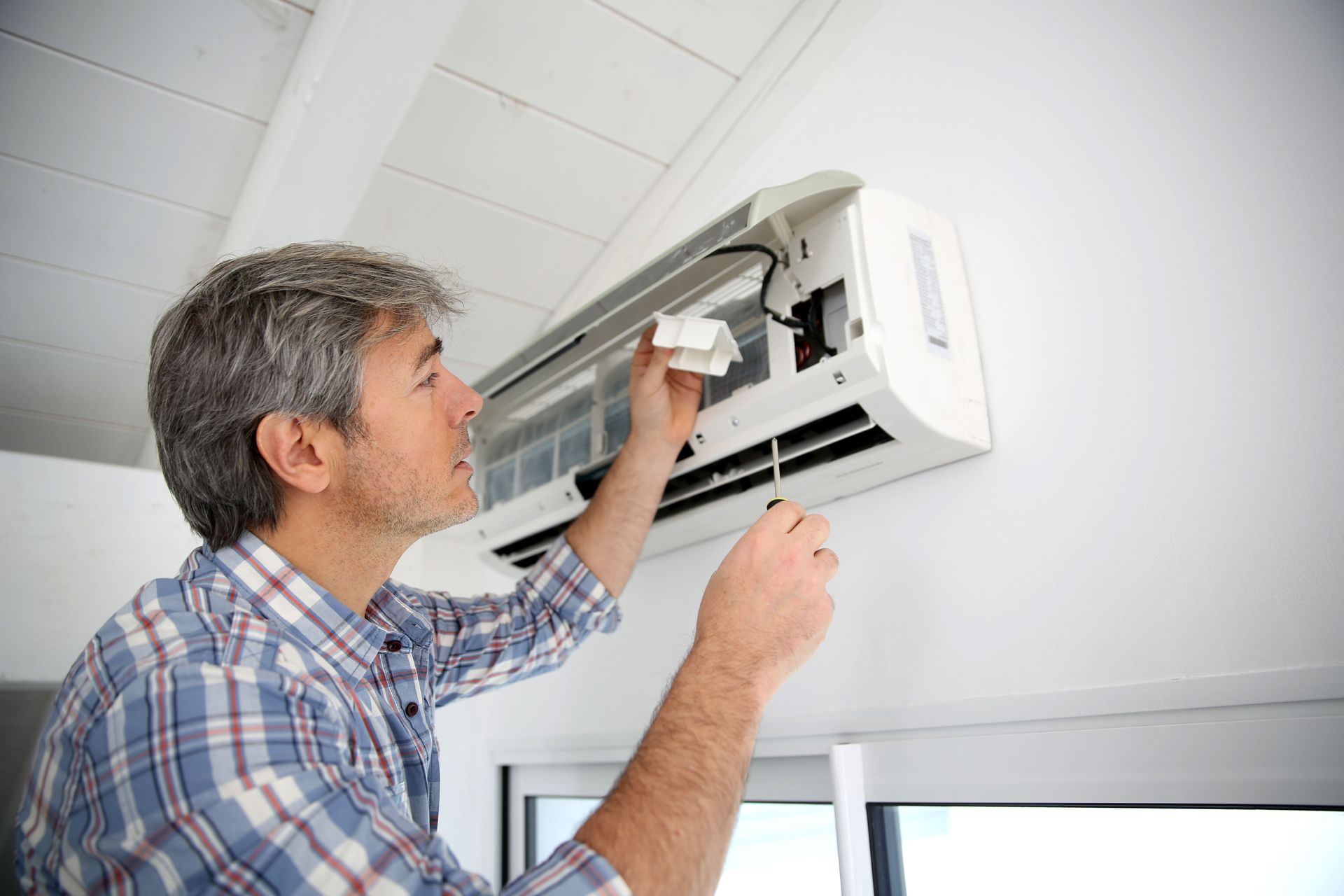
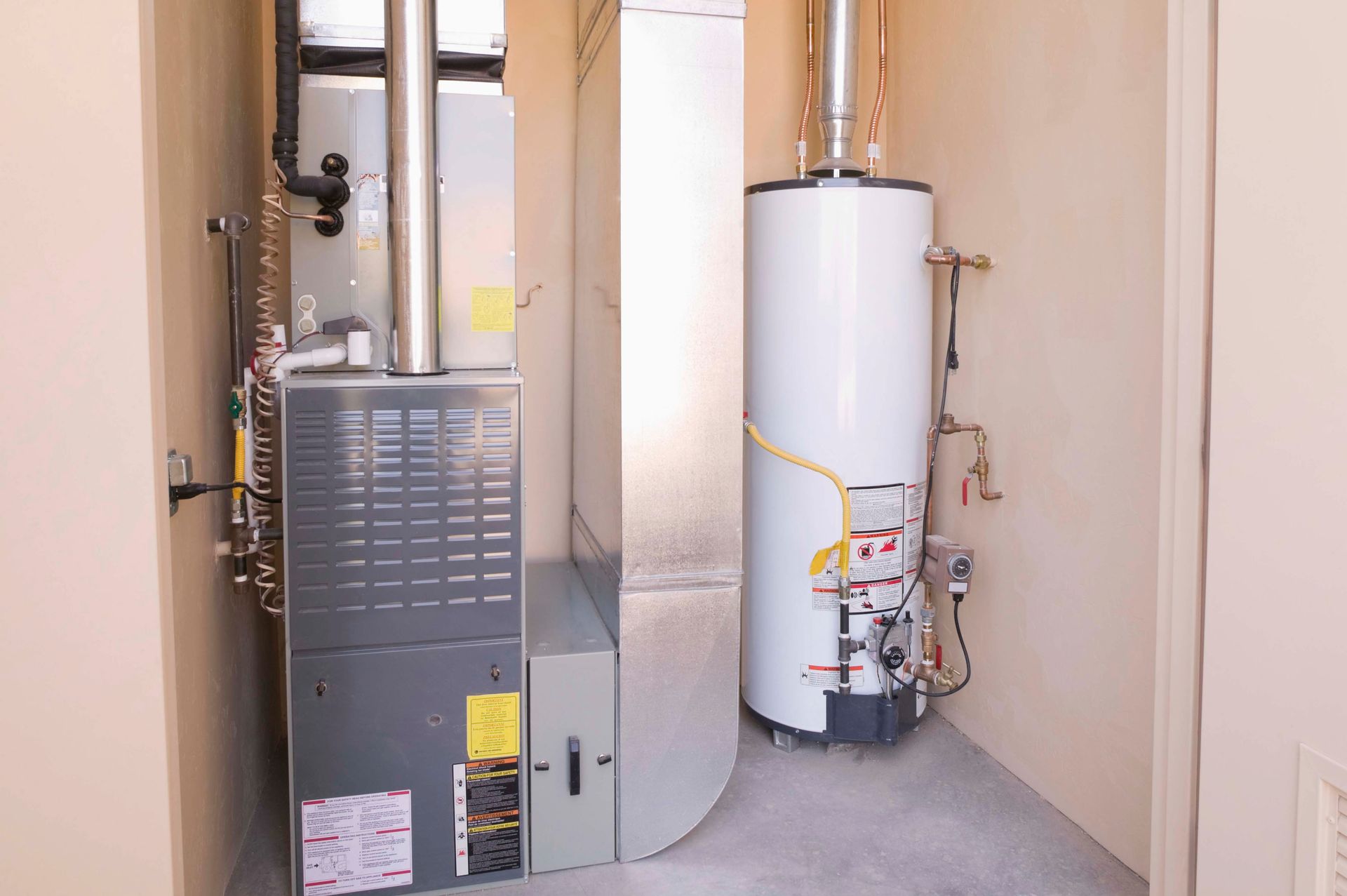
Before comparing benefits, it's helpful to understand how each system functions. A central air conditioner cools the entire home through a network of ductwork that distributes conditioned air to multiple rooms. A mini split AC system works differently by using individual indoor air handlers connected to an outdoor unit without relying on ducts. Each indoor unit delivers cooled air directly into a designated area of the home. This design provides greater flexibility for properties where ductwork isn't practical or already installed. Both systems effectively cool indoor spaces, but they accomplish this goal using different methods. Understanding these basic differences creates a strong foundation for comparing other important features. Knowing how each option operates helps homeowners choose the system that best fits their property.
Compare Installation Requirements Carefully
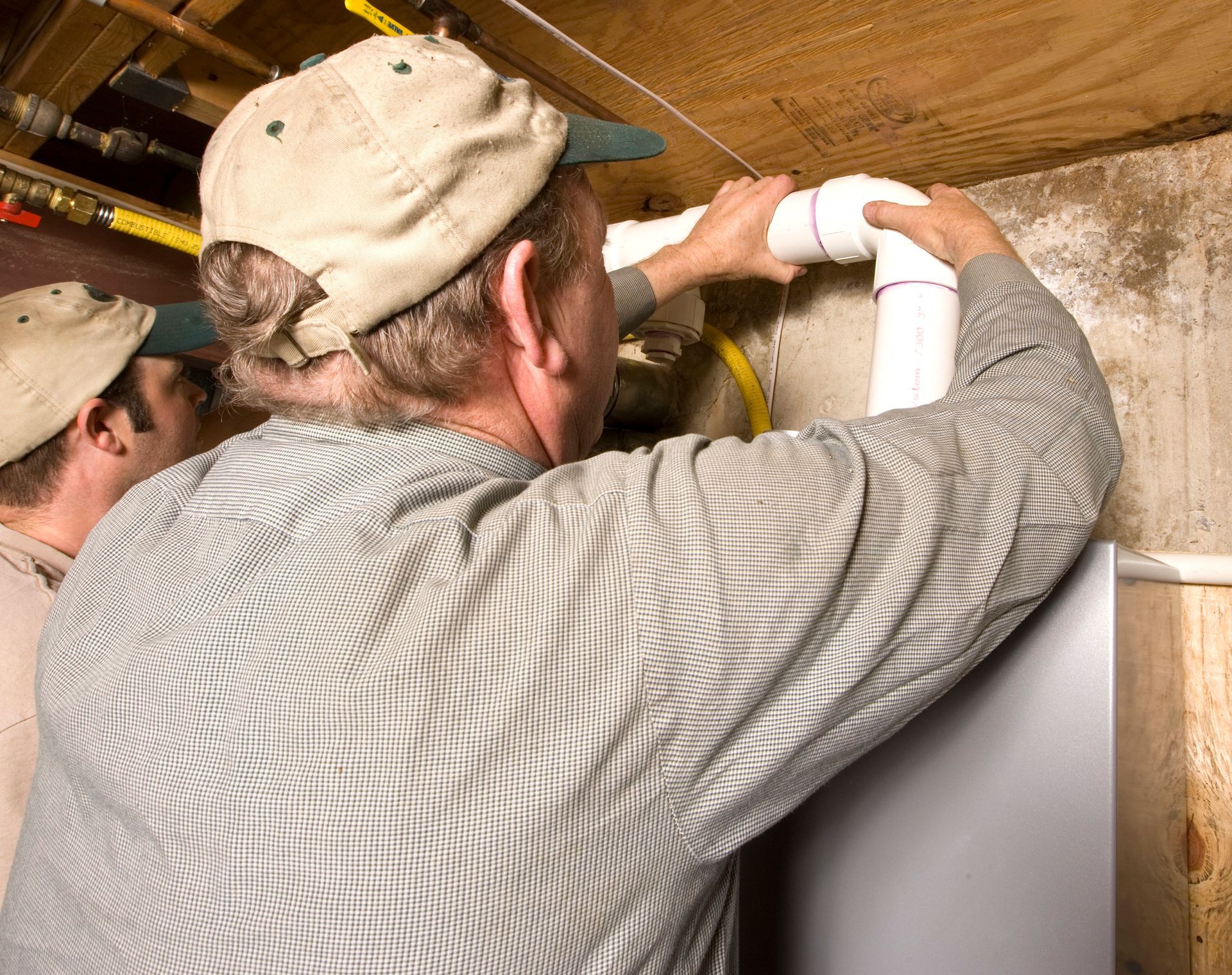
Installation is one of the biggest differences between these two cooling solutions. Central air systems generally require existing ductwork or the installation of new ducts before cooling equipment can operate properly. This process may increase both installation time and overall project costs in homes without existing duct systems. A mini split AC system requires only small openings for refrigerant lines connecting indoor and outdoor components. Because extensive duct installation isn't necessary, the overall installation process is often less invasive. This makes ductless systems especially appealing for home additions, garages, renovated spaces, or older homes. Professional installation remains essential regardless of which option you choose. Proper installation helps maximize efficiency and long-term performance for either system.
Evaluate Energy Efficiency Throughout the Home
Energy efficiency is an important factor when selecting any heating or cooling equipment. Central air systems can provide excellent efficiency when ductwork is properly designed, sealed, and maintained. However, damaged or leaking ducts may reduce overall system performance by allowing conditioned air to escape before reaching living spaces. A mini split AC system avoids these potential duct losses because air is delivered directly into individual rooms. This direct delivery often helps improve efficiency while reducing unnecessary energy consumption. Modern systems from both categories include advanced technology designed to improve performance and lower operating costs. Choosing equipment with high efficiency ratings helps maximize long-term savings. Regular maintenance also plays an important role in preserving energy efficiency throughout the life of the system.
Enjoy Greater Flexibility With Zoned Cooling
Different areas of a home rarely require identical cooling throughout the day. According to Rewiring America, a mini-split system can support as many as six separate indoor air handlers, allowing homeowners to create customized temperature zones in different parts of the house. This flexibility allows family members to adjust temperatures according to individual comfort preferences rather than relying on one thermostat for the entire property. Rooms that are used less frequently can receive less cooling, potentially improving energy efficiency. Zoned cooling also helps eliminate common hot and cold spots found in many homes. Greater control allows homeowners to create more personalized indoor comfort throughout the year. This level of flexibility remains one of the most appealing features of ductless technology. Customized temperature control makes it easier to meet the needs of every household.
Consider Long-Term Maintenance Needs
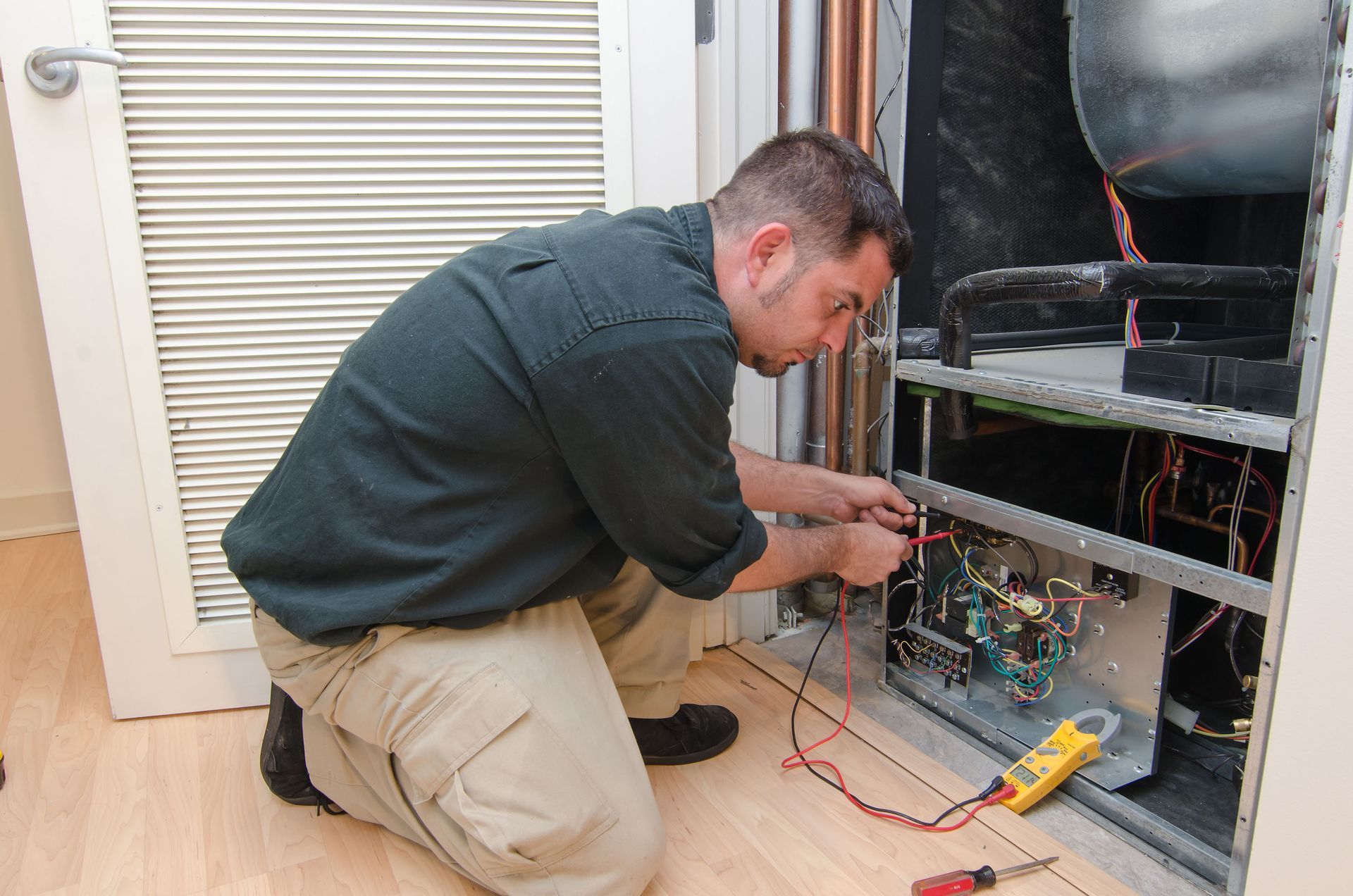
Routine maintenance is essential for keeping any cooling system operating efficiently. Central air systems require inspections of both the mechanical equipment and the ductwork to ensure proper airflow throughout the home. Dirty ducts, clogged filters, and neglected components can reduce efficiency and affect indoor comfort. A mini split AC system also requires regular maintenance, including cleaning filters and inspecting indoor and outdoor units. Fortunately, the absence of ductwork eliminates one area of ongoing maintenance for ductless systems. Scheduling routine professional service helps identify developing problems before they become major repairs. Consistent maintenance extends equipment lifespan while supporting reliable operation. Preventive care benefits every type of cooling system.
Match the System to Your Home's Layout
Every home has unique design characteristics that influence which cooling system performs best. Homes already equipped with well-maintained ductwork often find central air to be a practical solution. Older homes, additions, converted garages, finished basements, and detached structures may benefit from the flexibility offered by a mini split AC system instead. Because ductless equipment doesn't require major structural modifications, installation is often more adaptable to existing building layouts. Homeowners can also install additional indoor units as cooling needs evolve over time. Choosing the right system depends on your home's design rather than simply selecting the newest technology. A professional evaluation helps determine which option best fits your property's specific requirements. Careful planning leads to better long-term results.
Balance Initial Investment With Long-Term Value
Cost is an important consideration whenever homeowners invest in new HVAC equipment. Installation expenses vary depending on the home's existing infrastructure, equipment selection, and overall project complexity. While some systems may involve higher upfront costs, long-term operating expenses should also be considered when comparing options. A mini split AC system may provide ongoing savings through improved efficiency and customized zoning capabilities in certain applications. Central air systems also deliver excellent value when properly installed in homes with existing ductwork. Looking beyond initial installation costs provides a more complete picture of total ownership expenses. Investing in quality equipment often delivers dependable performance for many years. Evaluating both short-term and long-term costs supports better decision-making.
Choose the Solution That Fits Your Lifestyle
The right cooling system ultimately depends on your family's daily routines, comfort preferences, and future plans for the home. Some homeowners prefer whole-home temperature consistency provided by central air, while others appreciate the individualized control available with ductless technology. Lifestyle, property layout, occupancy patterns, and energy priorities all influence which option makes the most sense. Working with experienced HVAC professionals helps ensure every important factor is considered before making a decision. Professional guidance can simplify equipment selection while helping homeowners understand available options. Selecting the right system today supports greater comfort for many years ahead. Every home deserves a cooling solution that matches its unique needs. Careful planning helps ensure lasting satisfaction with your investment.
Choosing between central air and ductless cooling doesn't have to be overwhelming. Both systems provide dependable comfort when properly installed and maintained, but each offers advantages suited to different homes and lifestyles. Understanding installation requirements, energy efficiency, maintenance needs, and cooling flexibility helps homeowners make informed decisions with confidence. Rather than focusing solely on upfront costs, it's important to evaluate long-term comfort, efficiency, and overall value. A professional assessment can identify the system that best meets your home's specific needs while supporting reliable performance well into the future.
If you're considering upgrading your home's cooling system, Real HVAC Services is ready to help. Our knowledgeable team can evaluate your home's layout, explain your options, and recommend the right solution for your comfort and efficiency goals. Contact us today to learn whether a mini split AC system or central air is the best choice for your home.